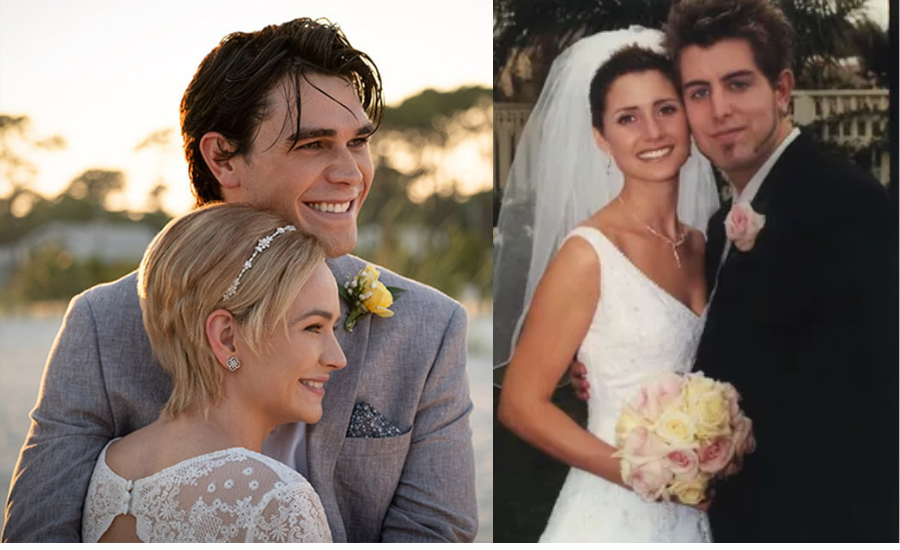
Melissa Lynn Henning-Camp was the first wife of American Christian singer and songwriter Jeremy Camp. She was born on October 7, 1979, and met Camp while they were connected to the Christian college and worship community in California. Their relationship developed into a romance, and they married on October 21, 2000.
Melissa was known for her strong Christian faith, work with children, mentoring, worship involvement, writing, and compassionate personality. Her life changed dramatically when she was diagnosed with ovarian cancer. Despite her illness, accounts from her family describe her as continuing to encourage others and maintain her faith.
Melissa died on February 5, 2001, at only 21 years old, just a few months after marrying Jeremy Camp. Her death deeply affected Camp and became an important influence on his music. He later wrote “I Still Believe” following her death, while “Walk by Faith” was written during their honeymoon.
Her story later reached a much wider audience through the 2020 film I Still Believe, which dramatizes the relationship between Jeremy and Melissa. Her journals were also published and became part of the material that helped preserve her story and faith legacy.
Bio Table
| Bio Detail | Information |
|---|---|
| Full Name | Melissa Lynn Henning-Camp |
| Known As | Melissa Camp |
| Date of Birth | October 7, 1979 |
| Nationality | American |
| Profession | Writer, mentor, worship-team member, nanny, and preschool assistant |
| Spouse | Jeremy Camp |
| Marriage Date | October 21, 2000 |
| Marriage Length | About 3½ months |
| Cause of Death | Ovarian cancer |
| Date of Death | February 5, 2001 |
| Age at Death | 21 |
| Children | None |
| Known For | Being Jeremy Camp’s first wife and the inspiration behind his story I Still Believe |
| Legacy | Her life, faith, and journals continue to be shared through books and the 2020 film I Still Believe |
Why This Story Keeps Resurfacing
Melissa Lynn Henning-Camp died on February 5, 2001, at 21 years old, just months into her marriage to a young musician named Jeremy Camp. There’s no anniversary news peg driving renewed attention to her story right now, no new interview or announcement, but the story itself has an unusual staying power. It’s kept alive through continued streaming availability of “I Still Believe,” the 2020 film based on Jeremy’s memoir of the same name, through Camp’s own music, particularly the title track he wrote after her death, and through a memorial website her family maintains, built around her personal journals. That combination has made her story one that keeps finding new audiences years after the initial wave of press around the film’s release, which is worth documenting on its own terms even without a fresh news hook attached.
Who Was Melissa Henning-Camp?
Melissa Lynn Henning was born October 7, 1979. She met Jeremy Camp in 1999 at Calvary Chapel Bible College in Murrieta, California, where both were students; Camp had moved there from Lafayette, Indiana. According to the Erwin brothers’ film and corroborated by Camp’s own public statements, the two initially connected through the campus’s Christian music and worship scene before their relationship developed. She was diagnosed with ovarian cancer before the couple married and went into remission, and the two proceeded with their wedding on October 21, 2000. The cancer returned not long afterward. Melissa died less than four months into the marriage.
Her mother, Janette Henning, has described her as deeply devoted to her faith from a young age, and multiple sources describe Melissa as active in worship and youth ministry work during her short adult life. Her family has kept a memorial website, melissalynncamp.com, active for years, sharing excerpts from her personal journals along with a book, “Melissa, If One Life,” compiled from that material.
In Their Own Words
Jeremy Camp has spoken about Melissa’s death and its impact on his faith and music publicly on multiple occasions, including in a 2016 interview with Fox News tied to the release of his memoir, also titled “I Still Believe.”
Melissa’s sister, Heather Henning, has also spoken about her in material published on the family’s memorial site, describing what she misses most in personal terms rather than through the lens of the film or Jeremy’s music career.
These are the only direct, attributable quotes used in this piece; anything else reported about Melissa’s personality or daily life that couldn’t be traced to a named source has been left out rather than presented as fact.
Background: A Marriage Defined by Its Brevity
What makes this story distinct from most celebrity-adjacent biographical pieces is how little time the marriage actually spanned roughly four months between the wedding and Melissa’s death. That compressed timeline is part of why the story resonated widely enough to become both a bestselling memoir and a theatrically released film nearly two decades later: it’s less a story about a long life shared than about how someone processes devastating loss early in adulthood, in front of a public that would later come to know him primarily as a musician.
Camp went on to build a substantial career in contemporary Christian music following Melissa’s death, releasing the song “I Still Believe” as a direct response to his grief. He remarried in 2003, to fellow musician Adrienne Liesching, and the couple has three children together: Bella, Arie, and Egan, according to the film’s own closing text and multiple entertainment outlets that covered its release.
Previous Statements
Beyond the 2016 Fox News interview, Camp has discussed Melissa’s illness and death in various promotional interviews tied to both his memoir and the film adaptation, generally returning to the same core message: that sharing the specifics of his loss, rather than keeping it private, became part of how he processed it and connected with audiences experiencing their own grief. The family’s memorial website functions as an extension of that same instinct, presenting Melissa’s own journal entries directly rather than filtering her story entirely through Jeremy’s retelling of it.
Recent Developments
There is no verified new development in this story as of this writing. What exists instead is a steady, ongoing stream of secondary content about Melissa Henning-Camp biographical write-ups, “where is the cast now” style film retrospectives, and net-worth-adjacent aggregator content, much of it low-quality and, in several cases, visibly repetitive or templated within a single article. None of it represents new reporting; it’s largely repackaged versions of the same handful of confirmed facts, sometimes padded with vague, unattributed descriptions of Melissa’s personality that don’t trace back to any named source. Readers encountering “breaking” or newly dated content about her should treat the publication date with some skepticism, since the underlying facts haven’t changed in years.
FAQs
Who was Jeremy Camp’s first wife?
Melissa Lynn Henning-Camp, whom he married on October 21, 2000. She died of ovarian cancer on February 5, 2001, at age 21.
How long were they married?
Approximately four months.
Did Melissa know she had cancer before the wedding?
Yes. She had been diagnosed and had gone into remission before the two married; the cancer returned shortly after the wedding.
Is there a movie about their story?
Yes, “I Still Believe” (2020), starring KJ Apa as Jeremy Camp and Britt Robertson as Melissa, based on Camp’s memoir of the same name.
Did Jeremy Camp remarry?
Yes, to musician Adrienne Liesching in 2003. They have three children together.
Is there any recent news about Melissa Henning-Camp?
No verified new development exists. Most recent content about her online is repackaged biographical material rather than new reporting.
Final Thoughts
Melissa Henning-Camp’s story doesn’t need a fresh news hook to matter it’s remained part of the public conversation for more than two decades because it was told carefully, first by Jeremy Camp through his music and memoir, and later by her own family through her journals, rather than because of any single viral moment.
That’s worth noting directly, especially in an online ecosystem that increasingly manufactures urgency around stories that don’t have any. What’s true here is simple and doesn’t need embellishing: a young marriage cut short by illness, a public figure who chose to share that loss rather than bury it, and a family that’s continued to keep her memory in her own words rather than someone else’s.Compiled from publicly available reporting and the Henning-Camp family’s own public statements, current as of August 2026.
Leave a Reply